
Take Action
The links below are available to share: your voice matters.


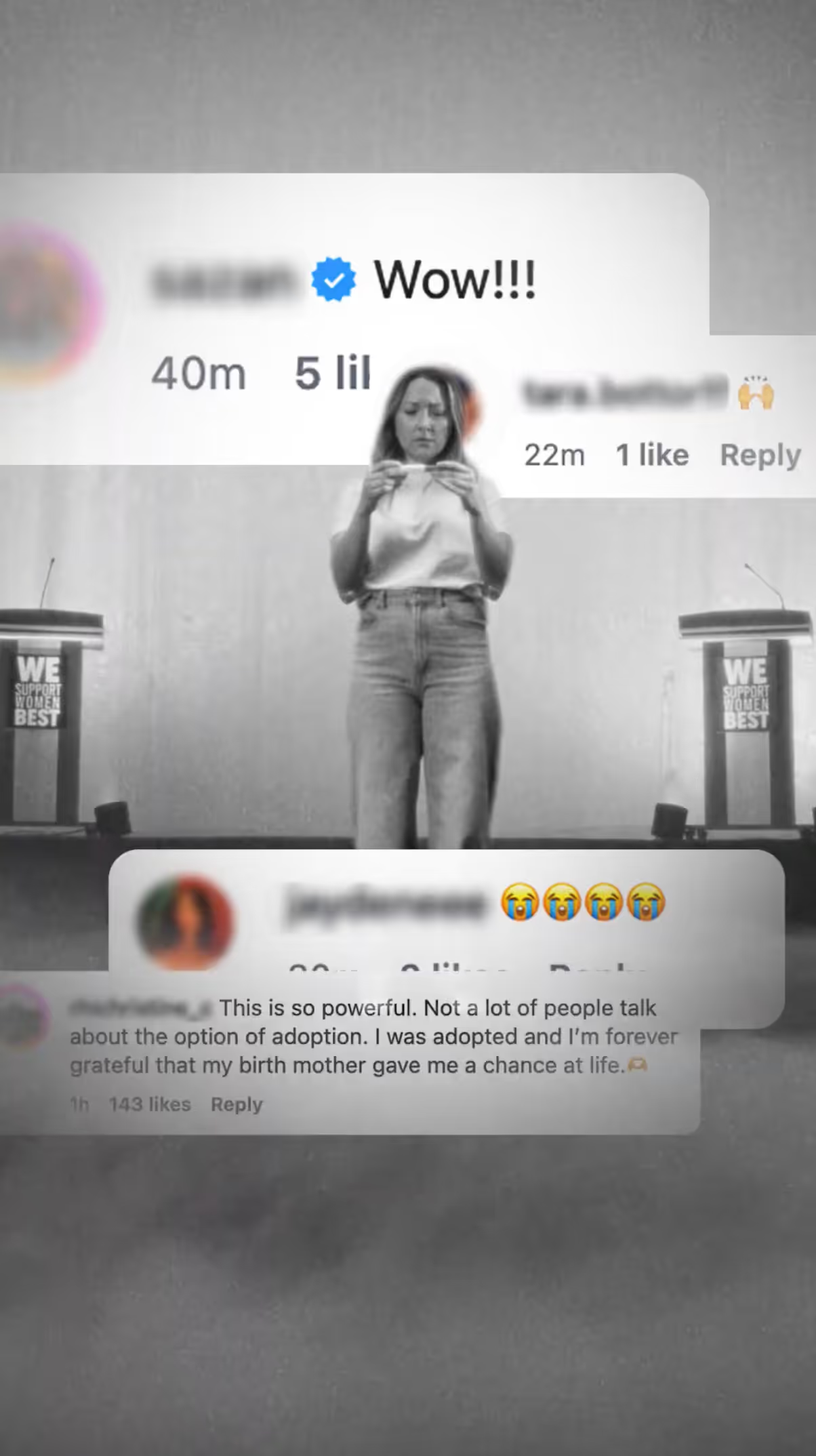
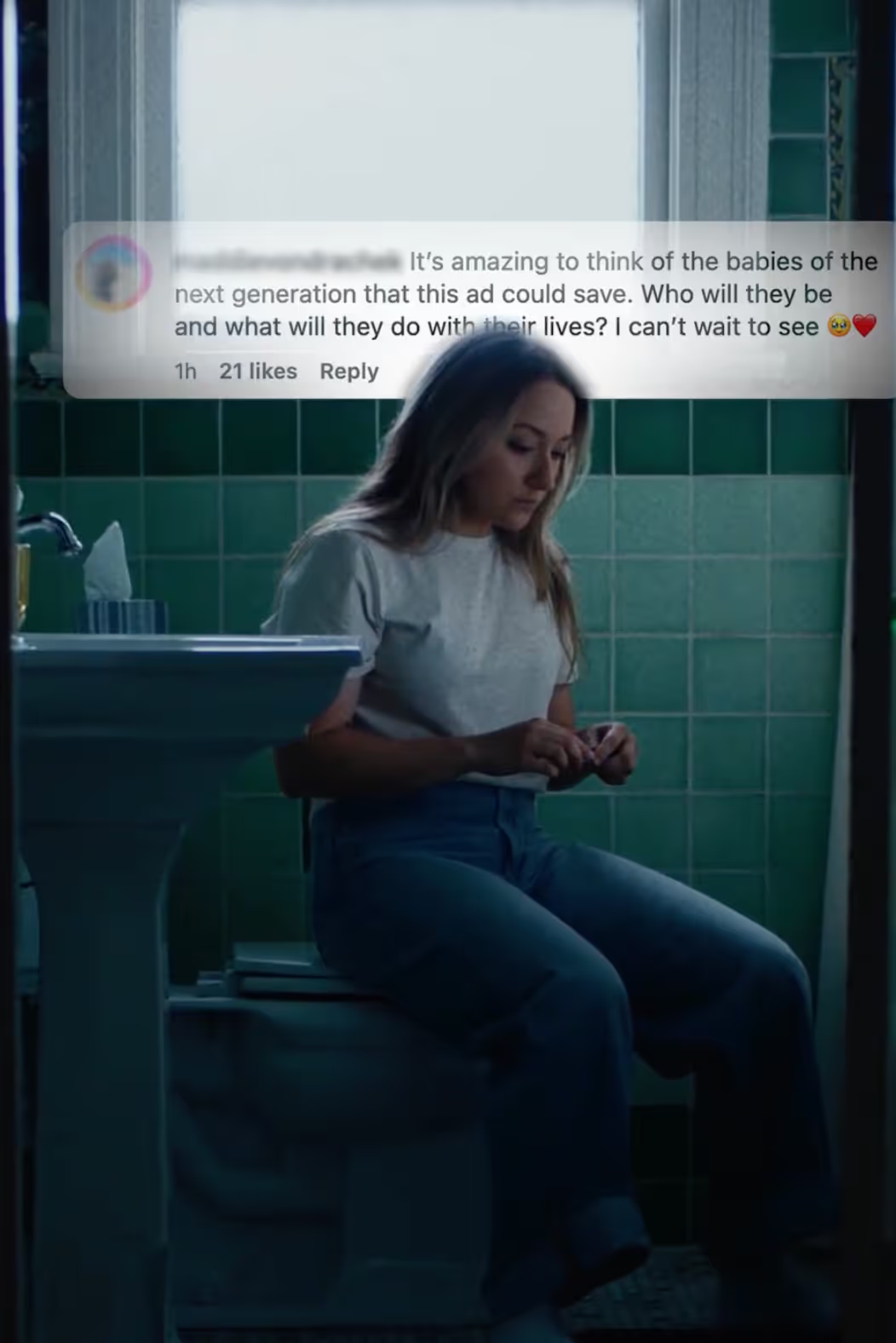
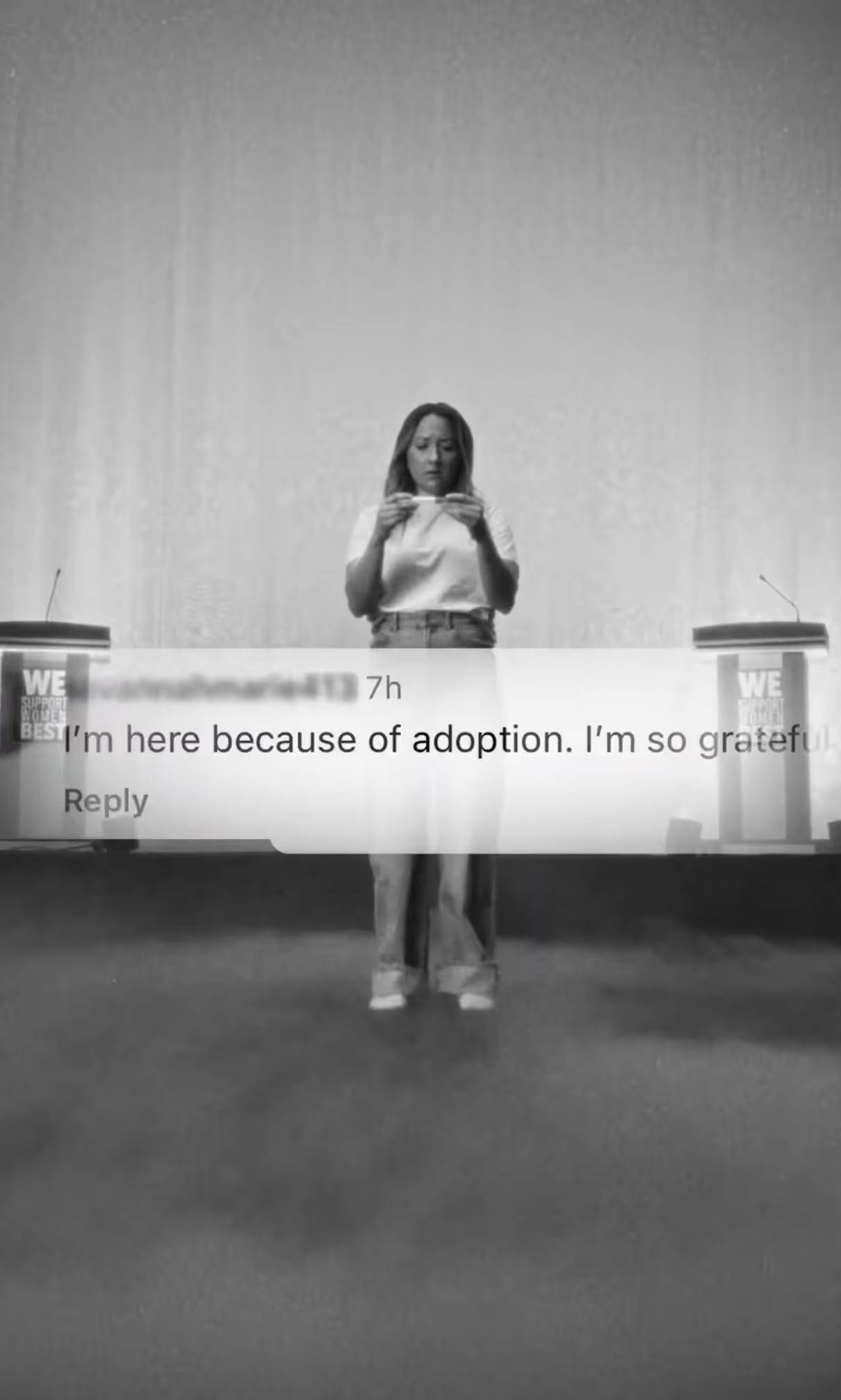
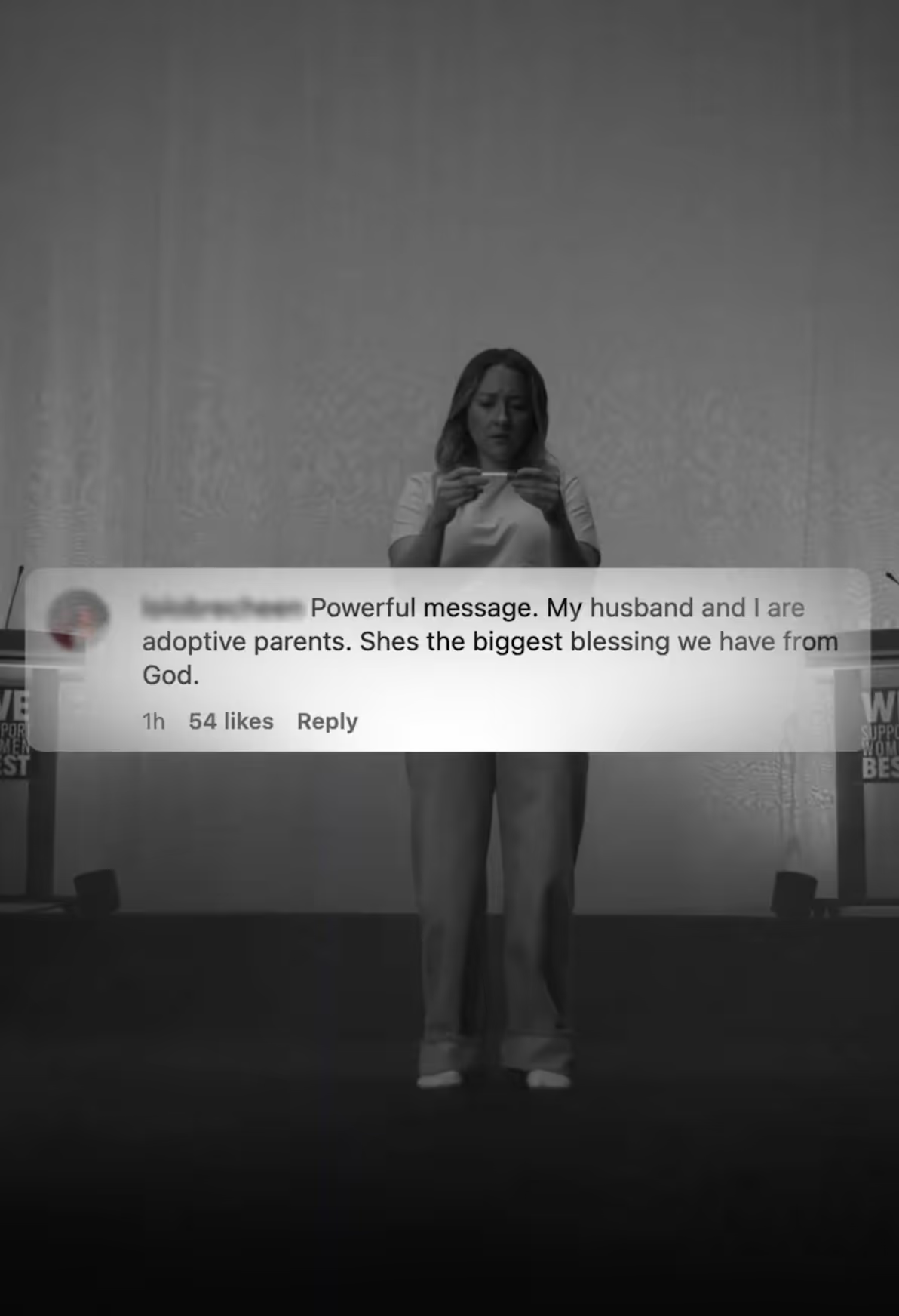
Adoption is turning compassion into action.
Sharing the Story
Stories have a unique way of helping people see possibilities they hadn’t considered before. The Girl in the Middle and Duality were created to help people understand the complexity and humanity surrounding unplanned pregnancy and adoption. One of the simplest and most powerful ways to take action is by helping others encounter the story.
- How can I help more people see The Girl in the Middle and Duality?You can start by sharing the film directly with a short, personal note about why it mattered to you. People are more likely to engage when they feel an authentic connection rather than a broad promotion. Hosting a small viewing or recommending it in a trusted circle can also create meaningful exposure.
- What’s the best way to introduce the film to friends or family?A simple, low-pressure introduction works best—something like, “I watched this and it gave me a new perspective.” Framing it as a story rather than a statement helps people approach it with openness.
- How can I share this story on social media without making it feel political?Focus on the human elements of the story—relationships, emotions, and real-life complexity. Avoid commentary that frames it as a debate, and instead share what it helped you understand. Let the story speak for itself.
- Why do stories like this matter when people talk about unplanned pregnancy?Stories move the conversation beyond abstract opinions into real human experiences. They help people see nuance, dignity, and possibility where they may have only seen extremes. This kind of understanding is hard to achieve through facts alone.
- What difference can one person sharing this message really make?One share can lead to one conversation, and one conversation can shift someone’s perspective. Cultural change often begins quietly, through small, personal moments. You may never see the full impact, but it can be significant.
Starting Conversations
Many people feel uncertain about how to talk about adoption. Some worry about saying the wrong thing or entering a difficult conversation. But real conversations often begins with curiosity and compassion. Sometimes simply acknowledging that adoption is part of the conversation can open the door to understanding.
- How do I talk about adoption in a respectful way?Approach the topic with humility and curiosity rather than certainty. Acknowledge that it’s complex and deeply personal for many people. Listening well is often more important than speaking perfectly.
- What if someone disagrees with me or has strong feelings about adoption?Stay grounded and avoid trying to “win” the conversation. Respect their perspective and look for common ground, such as care for people involved.
- How can I create space for empathy in difficult conversations?Introduce it naturally, perhaps by referencing a story or something you recently learned. Gentle curiosity opens more doors than forceful statements.
Supporting Women in Difficult Moments
When someone faces an unexpected pregnancy, emotions and decisions can feel overwhelming. In these moments, empathy and presence matter more than having perfect answers. Supporting someone often begins with listening and making sure they feel seen, respected, and cared for as they explore their options.
- What should I say if someone I know is facing an unexpected pregnancy?Start with presence: “I’m here for you, no matter what.” Avoid rushing into advice and instead create a space where they feel safe to share. Your steadiness can be more valuable than any specific words.
- How can I be supportive without pressuring someone toward a decision?Offer information only when invited and avoid steering the outcome. Make it clear that you respect their autonomy and will support them regardless of their choice. Support is about walking with them, not directing them.
- Why is it important that women know adoption is an option?Many people report they were never fully informed about adoption as it exists today. Awareness ensures decisions are made with a fuller understanding of all possibilities. Clarity expands agency.
- What does it look like to support someone with compassion and dignity?It means honoring their emotions, avoiding judgment, and protecting their sense of worth. Compassion shows up through patience, consistency, and respect. Dignity is preserved when they feel seen, not managed.
Sharing with Your Community
Communities often shape how people think about difficult topics. Churches, schools, sports teams, and professional circles can all influence how adoption is understood. When trusted communities create space for honest conversations, people are more likely to feel safe exploring questions they might otherwise keep to themselves.
- Where could this message help more people learn about adoption?Places where trust already exists—churches, schools, teams, and workplaces—are ideal. These environments create safety for open dialogue. Even small groups can have meaningful impact.
- How can churches or faith communities thoughtfully discuss adoption today?By focusing on care, support, and real-life experiences rather than abstract ideals. Creating space for honest stories and questions helps avoid oversimplification.
- How can medical professionals or counselors help make adoption part of the conversation?By presenting it clearly and compassionately as one of several options. Their role is to inform, not persuade. Trusted professionals can ensure people feel supported, not steered.
- What happens when trusted communities create space for honest dialogue?People feel safer asking questions they might otherwise suppress. Misunderstandings begin to fade as real stories are shared. Over time, this builds a more informed and compassionate culture.
Understanding the Purpose of This Campaign
Adoption Is An Option was created to bring clarity to a conversation that is often clouded by stigma, misinformation, or silence. Many people say they were never even told adoption was an option. This campaign exists to ensure adoption is understood as it exists today—modern, relational, and supported.
- Why was Adoption Is An Option created?It was created to bring clarity to a conversation often shaped by silence or misunderstanding. Many people never hear about adoption in a meaningful way. The campaign exists to change that.
- What makes this campaign different from adoption agencies or advocacy groups?It focuses on awareness and understanding rather than placement or recruitment. Its role is to inform the broader cultural conversation. This creates space for people to explore without pressure.
- Why do so many people say adoption was never presented to them as an option?In many contexts, the conversation is either avoided or framed too narrowly. Cultural stigma and outdated perceptions also play a role. As a result, people often lack a full picture.
Staying Connected
Learning about adoption doesn’t end with one story or one conversation. Staying connected to thoughtful resources and ongoing discussions can deepen understanding over time. By following along and engaging with new stories and insights, you can continue participating in a more informed conversation about adoption.
- How can I continue learning about adoption and related stories?Seek out books, films, and firsthand accounts from people with lived experience. Learning over time helps deepen understanding beyond surface-level knowledge. Stay curious.
- How can I stay connected to this campaign and its ongoing work?Follow along on Instagram and engage with new content as it’s released. Staying connected keeps the conversation active in your life. Participation doesn’t have to be complicated.
- What stories or voices should I look for as I continue learning?Seek out a range of voices, especially those with lived experience across different roles. Listening to multiple perspectives helps build a more complete understanding. No single story represents the whole.
- How can following along help keep this conversation alive?Ongoing engagement keeps the topic present rather than forgotten. It also equips you to participate in future conversations with greater insight. Consistency sustains cultural change.